What We Do

Restoration, cleanup, and education — the same work, three depths.

Everything Blue Horizon runs traces back to one damaged reef flat outside Port Solane in 2011. These are the three programs that grew out of it, each with its own methods, sites, and measures of success.

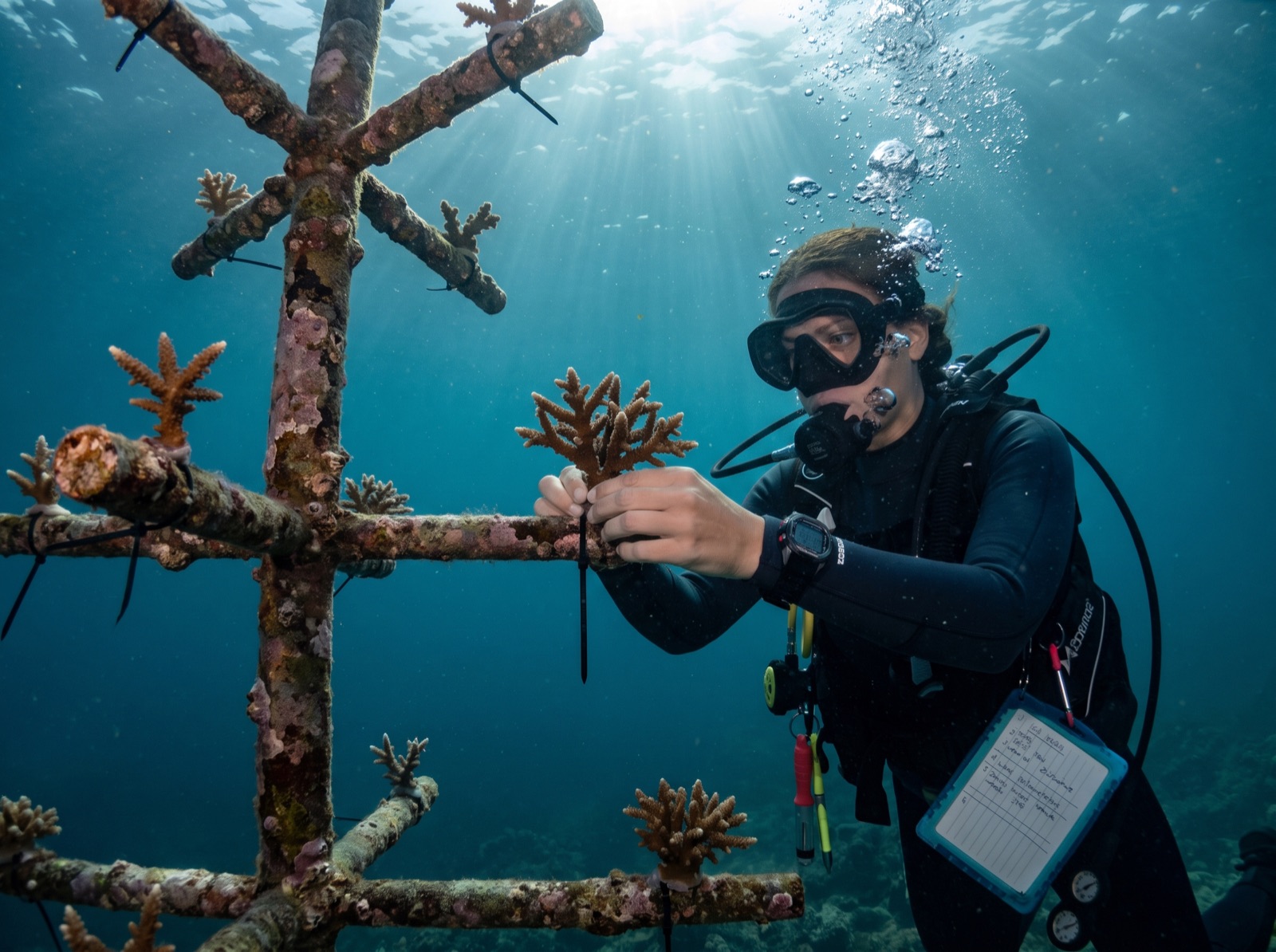
A diver attaching a coral fragment to a nursery structure underwater, sunlight streaming down

Program 01

Reef Restoration

We grow coral the slow way. Fragments collected from resilient donor colonies are grown out on six nursery structures across the Solane Reef Corridor for 8 to 14 months, then hand-outplanted onto degraded reef using marine-safe epoxy. Every outplant site is tagged, mapped, and revisited on a quarterly survey — not a one-time planting we walk away from.

MethodMicro-fragmentation & nursery outplanting, quarterly survivorship surveys
WhereSix nursery sites along the Solane Reef Corridor; flagship site at Cormorant Shoal
Timeline8–14 months nursery growth before outplanting; monitored for 3+ years after
58 sites restored 41,200 fragments outplanted Since 2011
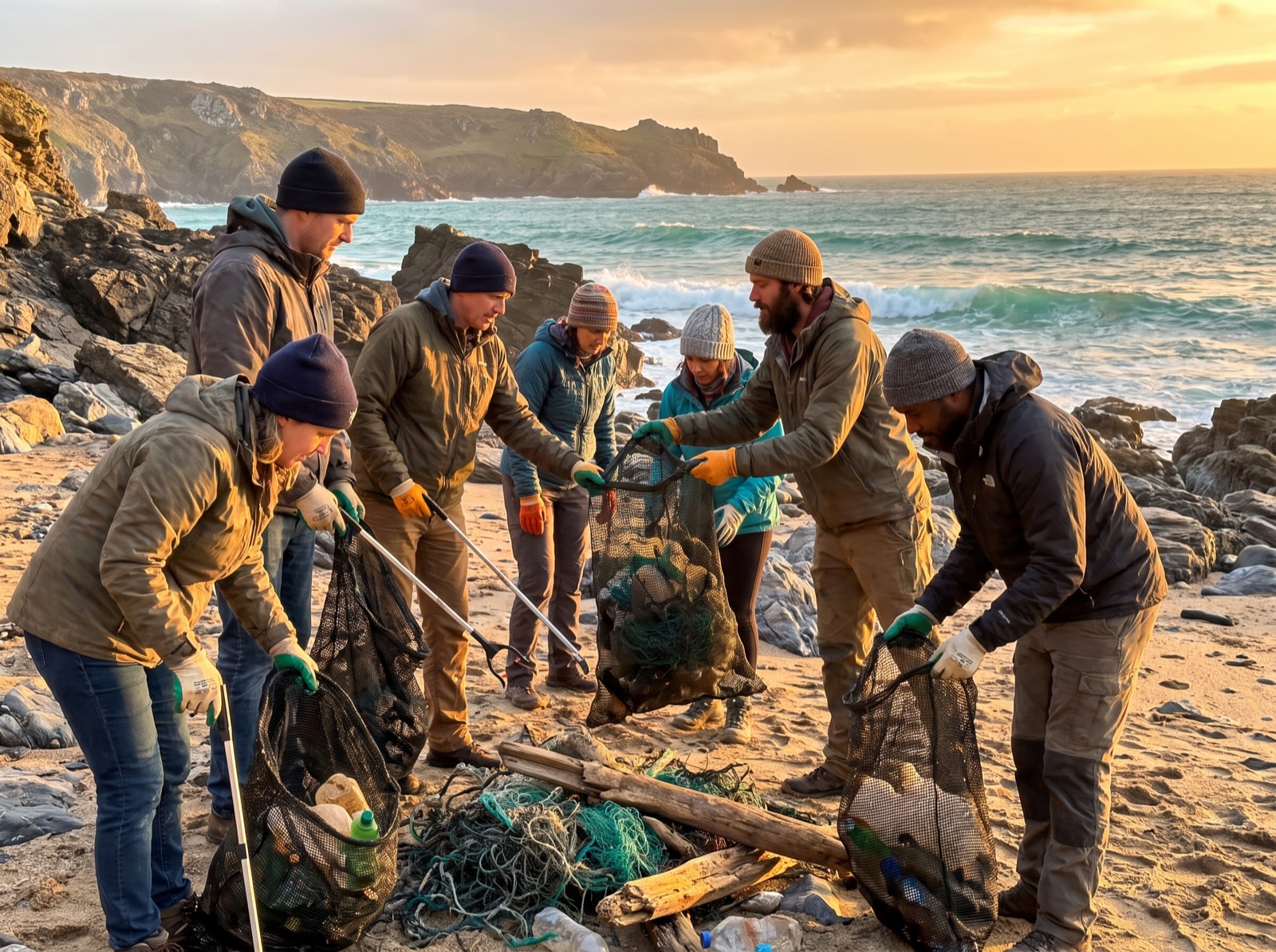
Volunteers filling mesh bags with marine debris on a rocky shoreline at sunrise

Program 02

Coastal Cleanup

Debris does more damage to a reef than most people realize — a single snagged net can shred a season of new coral growth. Our cleanup crews run monthly shoreline sweeps and quarterly dive cleanups, sorting every haul by material type. That data goes to regional waste authorities to help trace recurring dump sources back to the point of entry.

MethodShoreline sweeps + dive cleanups, debris logged and sorted by material
WherePort Solane waterfront, Isla Grande cove, the Northshore jetty
ScheduleShoreline sweeps monthly, dive cleanups quarterly, open to all skill levels on shore
212 tons removed 3 regular sites No experience needed
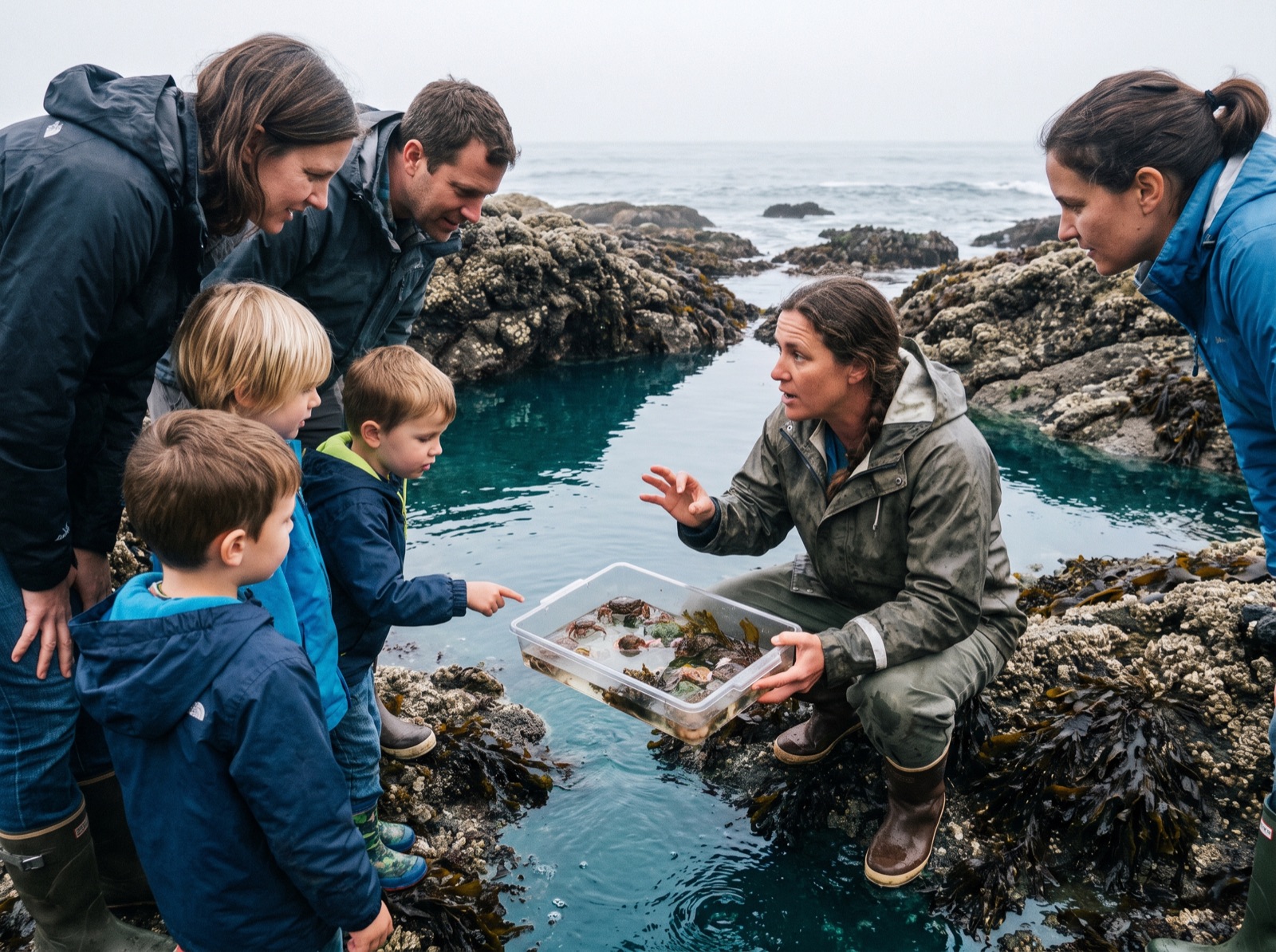
A marine educator showing children and families specimens from a rocky tidepool

Program 03

Marine Education

Restoration only holds if the next generation understands why it matters. We run a grades 3–8 marine science curriculum in partnership with Meridian Coast schools, train certified divers to run standardized reef-monitoring transects as citizen scientists, and lead free public tidepool walks most weekends.

MethodK–8 classroom curriculum, citizen-science dive training, public tidepool walks
WherePartner schools across the Meridian Coast; tidepool walks at Cormorant Shoal
Reach~2,400 students and residents annually
2,400 reached / year Grades 3–8 Free tidepool walks

The Process

How a restoration season actually runs.

From fragment to monitored reef, in four stages.

01

Collect & propagate

Small fragments taken from resilient donor colonies, never from a single source reef.

02

Nursery grow-out

8–14 months on a nursery structure, checked and cleaned by volunteer dive teams.

03

Outplant

Hand-attached to degraded reef structure with marine-safe epoxy, site mapped and tagged.

04

Monitor

Quarterly survivorship surveys for three years or more — published in our annual report.

Ready To Help

Pick a program. Or fund all three.

Every donation and volunteer hour gets routed to the program that needs it most that season.