Marine Conservation · The Meridian Coast

The ocean is resilient — when we give it a chance.

Blue Horizon Conservancy restores damaged coral reefs, clears marine debris from our shoreline, and trains the divers, students, and neighbors who keep the Meridian Coast alive — one measured, unglamorous season at a time.

A registered 501(c)(3) nonprofit, on the water since 2013.

0
Reef sites restored across the Meridian Coast
0t
Tons of marine debris removed from shorelines and reefs
0
Volunteers trained in restoration and cleanup work since 2013
0
Coral fragments outplanted onto damaged reef structure

What We Do

Three programs, one coastline.

Restoration, cleanup, and education aren't separate missions here — they're the same work, done at different depths. Every program feeds the other two.

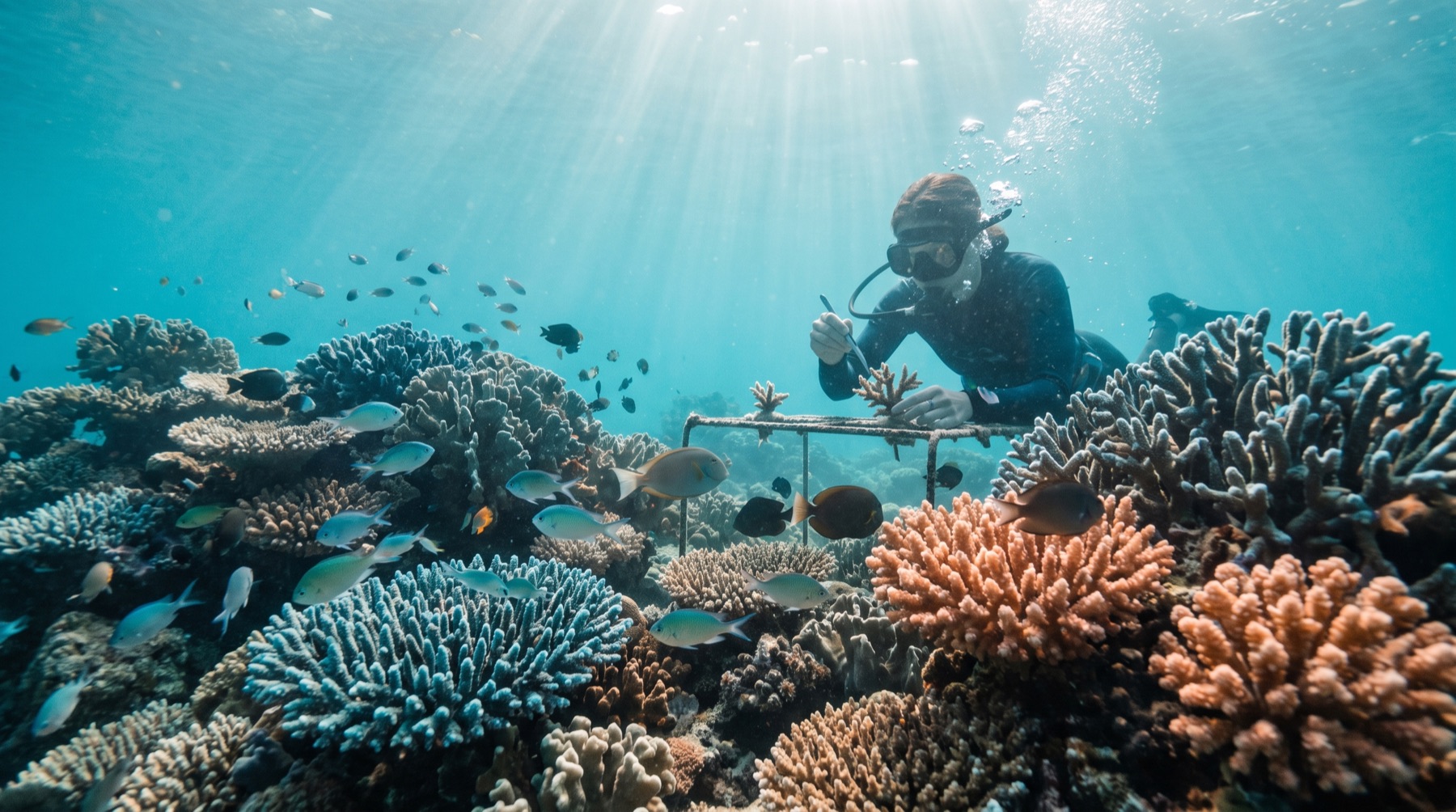
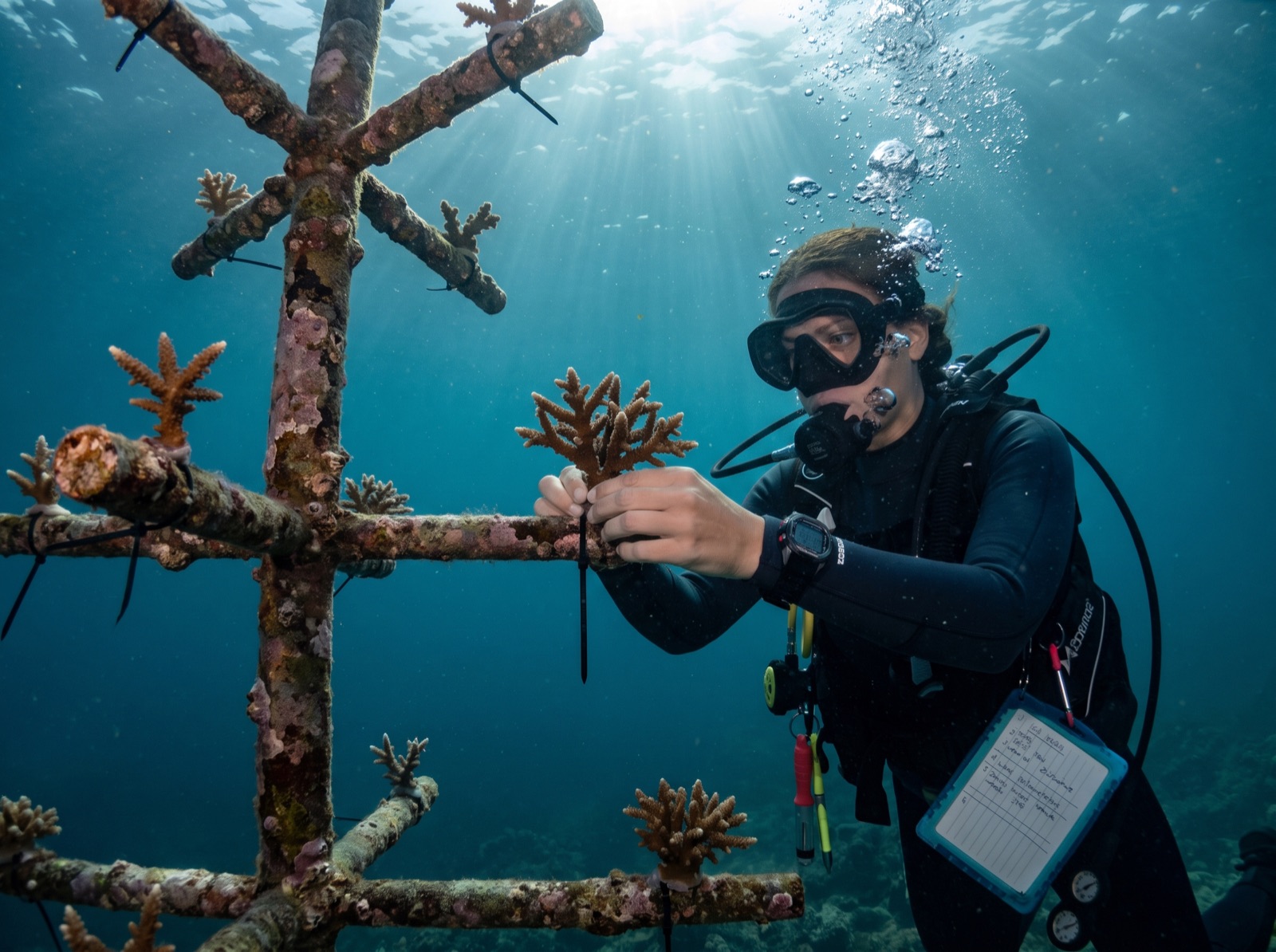
A Blue Horizon diver attaching a coral fragment to a nursery structure underwater Reef Restoration

Growing reef back, fragment by fragment

Coral nurseries along the Solane Reef Corridor grow fragments for 8–14 months before our dive teams outplant them onto degraded reef structure — then track survivorship for years, not weeks.

How it works
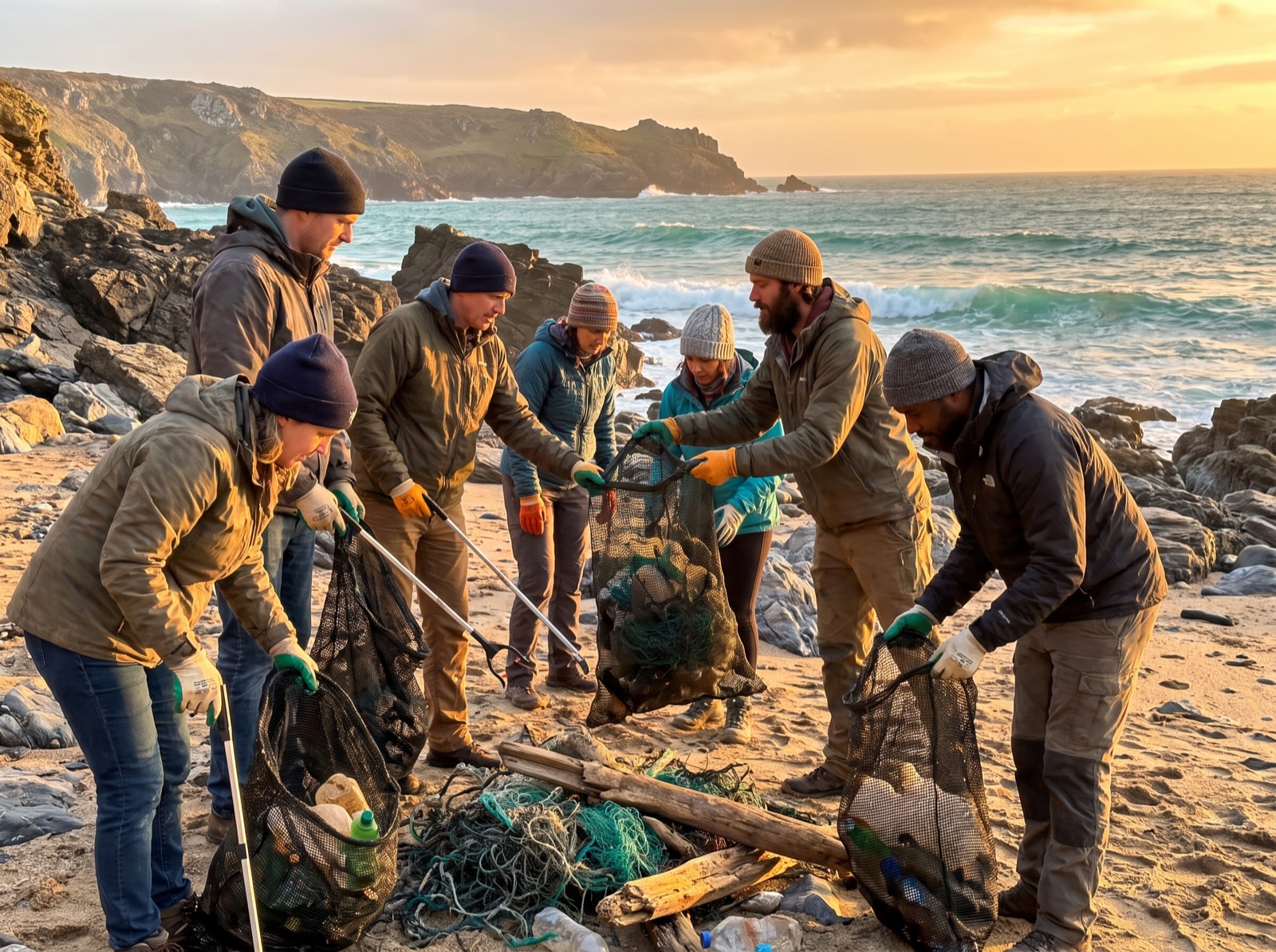
Volunteers sorting marine debris into mesh bags on a rocky shoreline at sunrise Coastal Cleanup

Debris out, before it ever reaches the reef

Monthly shoreline and dive cleanups along Port Solane, Isla Grande, and the Northshore jetty — every haul logged by material type so we can trace where it's coming from.

How it works
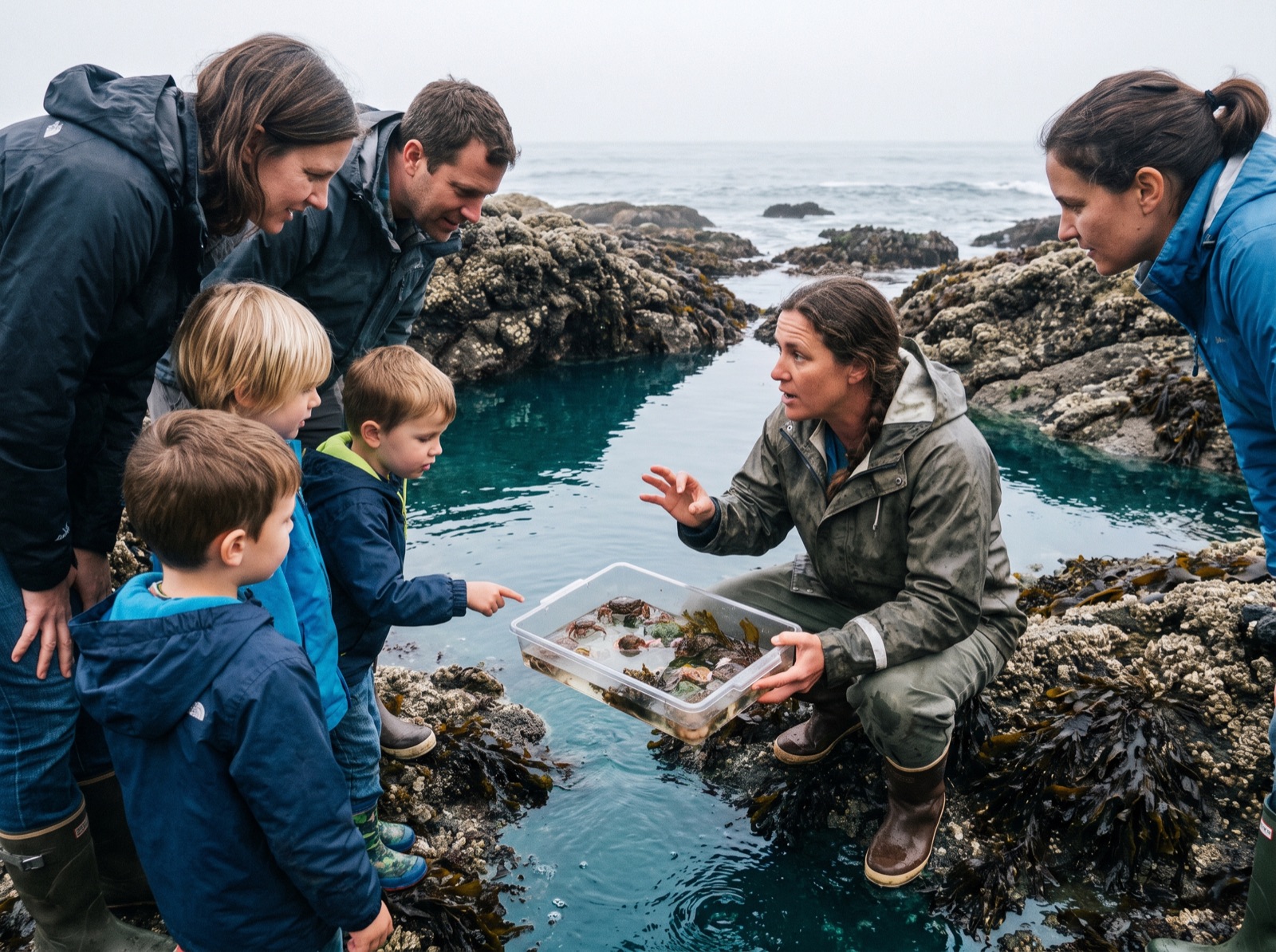
A marine educator showing tidepool specimens to a group of children and families Marine Education

Building the next set of hands

Classroom partnerships, citizen-science dive training, and public tidepool walks reach roughly 2,400 students and residents a year — the people who'll be doing this work after us.

How it works
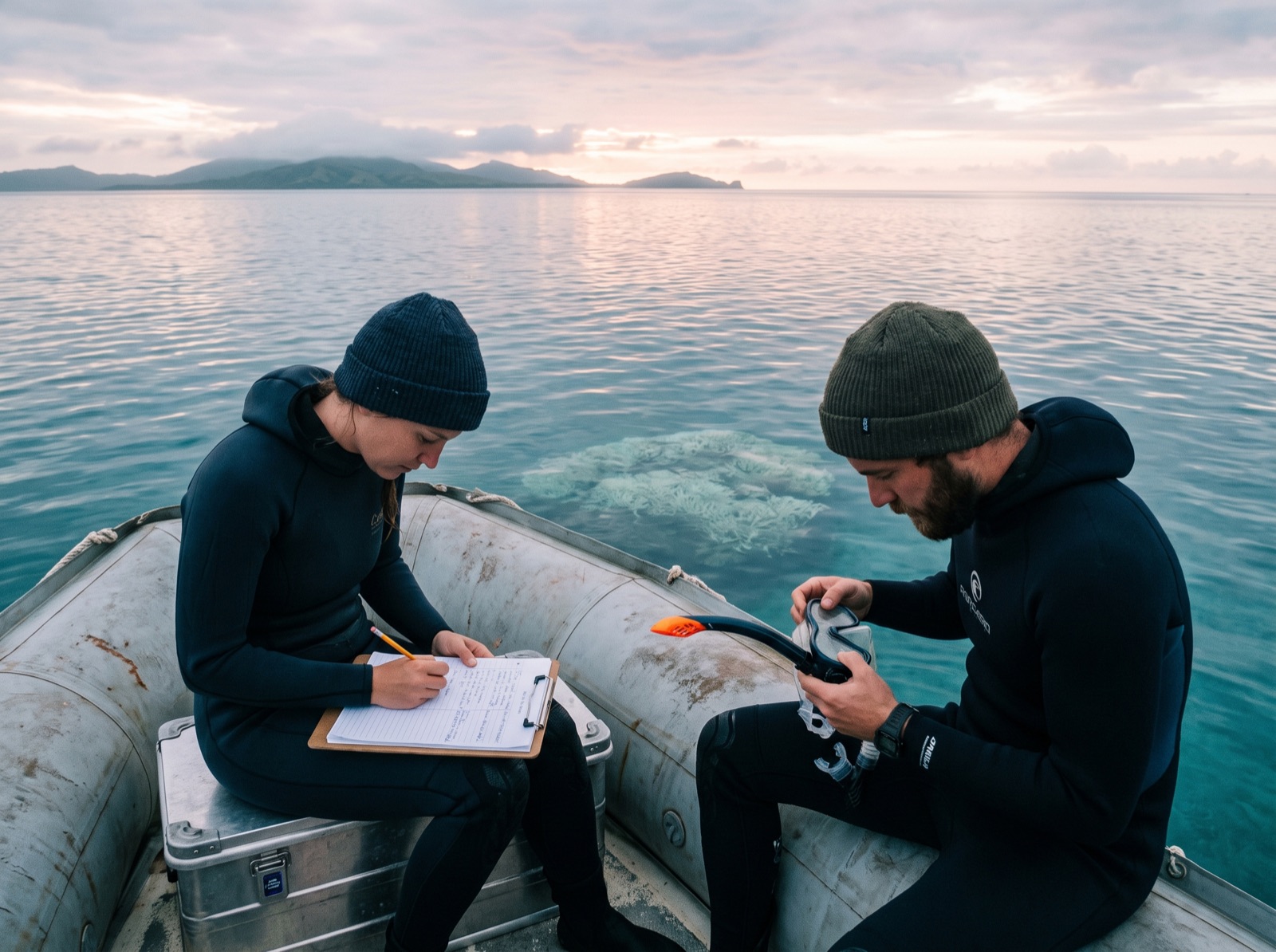
Two Blue Horizon researchers reviewing field notes on a boat at dawn, with a damaged coral patch visible in the water below.

Why It Matters

A damaged reef isn't a lost cause. It's a slow-moving one.

01

Coral recovers faster than people expect

Given a clean, stable structure to grow on, fragments from resilient colonies can reach reproductive size in as little as three years.

02

Debris removal buys that recovery time

Nets and lines snag on fragile new growth long before storms or heat ever get the chance to. Cleanup isn't cosmetic — it's protective.

03

A trained coastline stays a healthy one

Every diver and student we train is someone who can spot a problem — a bleaching event, an illegal anchor site — long before we would.

04

We publish what we find, good or bad

Survivorship data goes into our public annual report every year, including the sites that didn't take. Trust is earned in the failures, too.

Join The Work

Give the ocean a chance. It'll take it from there.

Whether it's a monthly gift, a Saturday morning, or a corporate partnership — there's a place for you in this work.